
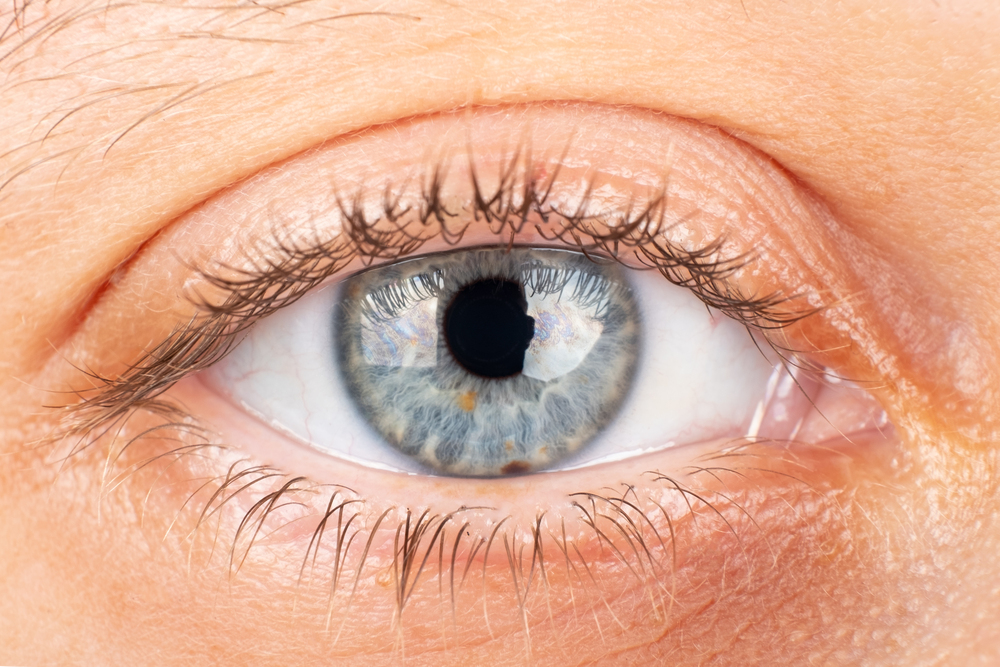
People with vision problems know how crucial it is to receive proper treatment and early diagnosis to prevent their eye condition from worsening. One condition that is often discussed in this context is keratoconus. You may have heard the term but not know exactly what it is.
What exactly is keratoconus?
Keratoconus is an eye condition in which the cornea begins to deform, causing blurred vision and distortions in its shape. Irregular corneas can also cause other problems, such as nearsightedness or distortions in color vision. In fact, it is one of the most common causes of progressive vision changes in young adults.
To understand the link between keratoconus and other diseases, it’s important to know that there are cases where keratoconus can occur alongside other eye problems, such as macular degeneration. Often, an eye condition like keratoconus can increase the risk of further complications and related issues.
The importance of diagnosis
Glaucoma is a disease in which increased intraocular pressure can damage the optic nerves and cause irreversible vision loss. There are different types, and the most common cause is pressure on the optic nerve.
If you have keratoconus, your risk may increase. How does this happen? People with keratoconus tend to have a thinner cornea than normal, making it difficult to accurately measure eye pressure using standard instruments. A curved cornea, as seen in keratoconus, can distort pressure readings.
From a medical perspective, it is recommended to consult a keratoconus specialist or a qualified optometrist specializing in complex eye problems to determine the appropriate course of treatment.
Possible links
Macular degeneration is a common eye disease, especially among older adults, that causes a decrease in central vision. The disease affects the area of the retina responsible for sharp, focused vision—the focal part of the retina called the macula. People with macular degeneration may also experience distorted images in their central field of vision.
If you have keratoconus, it’s important to know that there’s a risk you may also experience vision loss in the central area of your field of vision, even if the problem is a corneal deformation. This is because corneal deformities can put additional strain on the visual system.
Therefore, even in cases of keratoconus, it is important to have regular follow-up to ensure that there is no worsening of vision in the central region of the visual field, which could deteriorate quality of life.
Correct diagnosis and follow-up: how to proceed?
An accurate diagnosis of keratoconus is essential to understanding the condition of your cornea and receiving the appropriate treatment. Regular medical follow-up is particularly important because keratoconus can develop and worsen over the years. The earlier the disease is diagnosed, the more effectively it can be managed.
EyePrintPRO is an innovative technological tool that can guarantee an accurate diagnosis of complex eye problems, including keratoconus. This technology allows for three-dimensional measurements of the cornea, enabling the creation of custom-made contact lenses.
Contact lens treatment: the solution for those suffering from keratoconus
If you or someone you know has keratoconus, a common and effective solution for treating vision problems is the use of keratoconus contact lenses. Scleral contact lenses (which completely surround the cornea) offer a precise solution because they allow the cornea to maintain a stable position.
Some people prefer contact lenses, primarily because they offer a more comfortable—and less painful—solution than surgery. However, it’s important to understand that contact lenses are not a substitute for medical treatment. It’s crucial to consult an ophthalmologist and choose the most suitable solution for each individual case.
Other diseases
Corneal diseases encompass a range of problems that can be caused by various types of eye injuries. These include diverse deformities that can impair the cornea’s ability to function optimally. For example, issues such as corneal inflammation or viral infections can contribute to further complications.
How does all of this affect quality of life?
If you are experiencing symptoms of keratoconus, it is important not to ignore the condition. Common symptoms of keratoconus include blurred vision or distorted images, especially as the condition worsens. However, it is possible to manage the disease in a way that minimizes its impact on daily life.
In summary
The link between keratoconus and other eye diseases can be complex and sometimes difficult to manage. But when you are aware of this connection and undergo the necessary diagnostic testing, you can manage your eye condition much more effectively. The key is not to wait for symptoms to appear and to consult the MEye Clinic in Jerusalem, which specializes in scleral lenses and complex corneal pathologies, for proper diagnosis and treatment.